
How to Do a Patent Search: A Step-by-Step Guide for Inventors
Learn how to conduct a patent search, identify prior art, evaluate similar inventions, and determine whether your idea may qualify for patent protection.


How to Do a Patent Search: A Step-by-Step Guide for Inventors
Before investing time and money into a patent application, it's important to determine whether your invention is truly unique. A patent search helps inventors identify existing patents, published applications, and similar inventions that could affect patentability. In this guide, we'll walk through the patent search process step by step and explain how to use the results to make informed decisions about your invention.
What Is a Patent Search?
A patent search is the process of reviewing existing patents, published patent applications, and other publicly available information to determine whether an invention is new.
Before you begin conducting a patent search, it is helpful to understand the basic requirements that determine whether an invention is patentable in the first place. You can review those fundamentals here: How to Know If Your Invention Is Patentable
The goal is not necessarily to find an exact copy of your invention. Instead, you're looking for prior art, which includes any publicly available information that may show your idea, concept, or technology already exists.
Conducting a patent search early can help you:
Identify similar inventions
Understand the competitive landscape
Improve and refine your invention
Avoid unnecessary filing costs
Assess the likelihood of obtaining patent protection
Why a Patent Search Matters
Understanding whether an invention is novel or non-obvious is essential before conducting a patent search. These core requirements are explained in detail here: How to Know If Your Invention Is Patentable
Many first-time inventors assume that if they have never seen a product before, it must be patentable. Unfortunately, that is not always the case.
Millions of patents and patent applications have been filed worldwide. Similar inventions may exist even if they were never commercially successful or widely available.
A thorough patent search can reveal:
Existing patents that may block your invention
Similar concepts that require design modifications
Opportunities to improve on prior inventions
Areas where innovation may still be possible
Performing a patent search before filing often saves time, money, and frustration later in the process.
Step 1: Clearly Define Your Invention
Before searching, take time to describe your invention in detail.
Ask yourself:
What problem does it solve?
How does it work?
What makes it different from existing solutions?
What are its key features?
Write down the essential elements of the invention. This will help you identify relevant keywords and patent classifications during your search.
Step 2: Generate Search Keywords
Patent searches rely heavily on keywords.
Create a list that includes:
Product names
Functional descriptions
Technical terms
Alternative terminology
Industry-specific phrases
For example, if you invented a self-watering planter, you might search:
Self watering planter
Automatic plant watering system
Water reservoir planter
Moisture controlled planter
Different inventors and patent examiners may use different terminology, so using multiple keyword variations is important.


Step 3: Search Google Patents
One of the easiest places to begin is Google Patents.
Google Patents provides access to millions of patent documents and allows inventors to search using simple keywords.
When reviewing results:
Look beyond the title
Read summaries and claims
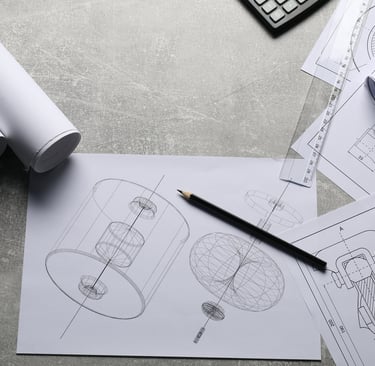
Examine drawings and diagrams
Save potentially relevant patents for later review
Do not stop after finding one similar patent. Continue exploring related inventions and references cited within those patents.
Step 4: Search the USPTO Database
The United States Patent and Trademark Office maintains official patent records and search tools.
Searching the USPTO database can provide additional information and help verify relevant patents discovered through other sources.
Pay particular attention to:
Issued patents
Published patent applications
Patent classifications
Related references
Combining multiple search resources generally produces better results than relying on a single database.

Step 5: Review Similar Patents Carefully
Finding similar patents does not automatically mean your invention is unpatentable.
Instead, compare:
Features
Functionality
Structure
Intended use
Unique improvements
Many patents are granted for meaningful improvements to existing products or technologies.
The key question is whether your invention contains novel and non-obvious elements that distinguish it from prior art.
Step 6: Look Beyond Patent Databases
Patent examiners do not only consider patents.
Prior art can also include:
Academic papers
Product manuals
Technical publications
Trade journals
Websites
Videos
Public presentations
Searching beyond patent databases provides a more complete understanding of the invention landscape.
Common Patent Search Mistakes
Searching Only Exact Matches
Many inventors look for identical products. Patentability often depends on whether similar concepts already exist, not whether an exact duplicate exists.
Using Too Few Keywords
Different industries use different terminology. Expanding keyword variations often uncovers important results.
Ignoring Patent Claims
Patent claims define the legal scope of protection. Reading only the title or abstract may lead to incorrect conclusions.
Stopping Too Early
A patent search should be thorough and methodical. The most relevant references are not always found in the first few search results.
What If You Find Similar Patents?
Finding similar patents is normal.
In fact, discovering related inventions often helps inventors:
Improve their designs
Identify unique differentiators
Better understand the market
Develop stronger patent applications
The goal of a patent search is not to prove your invention is perfect. The goal is to gather information and make better decisions.
When to Consider Professional Help
While many inventors can perform an initial patent search themselves, professional patent search firms and patent attorneys often have access to advanced tools and specialized expertise.
Professional assistance may be especially valuable when:
Significant investment is involved
The technology is highly technical
Multiple similar patents exist
Patentability is unclear
A professional review can provide additional confidence before moving forward with a patent application.
Final Thoughts
A patent search is one of the most valuable steps an inventor can take before filing a patent application. By identifying existing inventions, understanding prior art, and evaluating the competitive landscape, inventors can make more informed decisions and improve their chances of success.
A well-executed patent search does not guarantee a patent will be granted, but it can help you avoid costly mistakes and better understand the path forward.
If you are still evaluating whether your idea is truly new or eligible for protection, it can help to revisit the foundational requirements outlined in: How to Know If Your Invention Is Patentable
Continue Learning
Patent Basics — Understand the fundamental requirements for obtaining patent protection and what makes an invention patentable
Patent Search Guide — Learn advanced search strategies and prior art research techniques.
Patent Filing Process — Understand what happens after your patent search is complete.
Patent Costs — Explore the costs associated with filing and maintaining a patent.
Inventipedia is a patent resource for inventors built to help you understand, search, and navigate the patent process with clarity.
Built with support from Eniac Design Group.
Patent Guides
Common Questions
Legal
This website provides educational information only and does not offer legal advice.

